

Fragments of Light No. 15: On pictures that nobody took
In recent months, I've found myself looking at images on social media and in marketing in general, often without being entirely sure what I'm actually looking at. Not technically. Not in terms of composition, message, sharpness, or retouching. But something much more fundamental. Is that a person who actually stood there? Did that look really happen? That single moment between two people? Or was it just a simulation?
For me, that's the real change. Not just that AI can now generate good images. Or better. But that it's slowly shifting the fundamental trust with which we look at images. Previously, a photograph was, first and foremost, a trace for me. Of an encounter. Of a decision. Of something that truly existed for a brief moment. Today, it's increasingly just an assertion.
I come from a background in photography that, for me, has always been about presence. About people. About a gaze that cannot be repeated. About a place, a conversation, a mood, sometimes just a few minutes or moments in which something comes together that cannot be planned. Of course, photography was very often never innocent. It was always selection, always condensation, often also staging. But despite everything, it was bound to something that must have existed beforehand. It is precisely this bond that is dissolving right before our eyes.
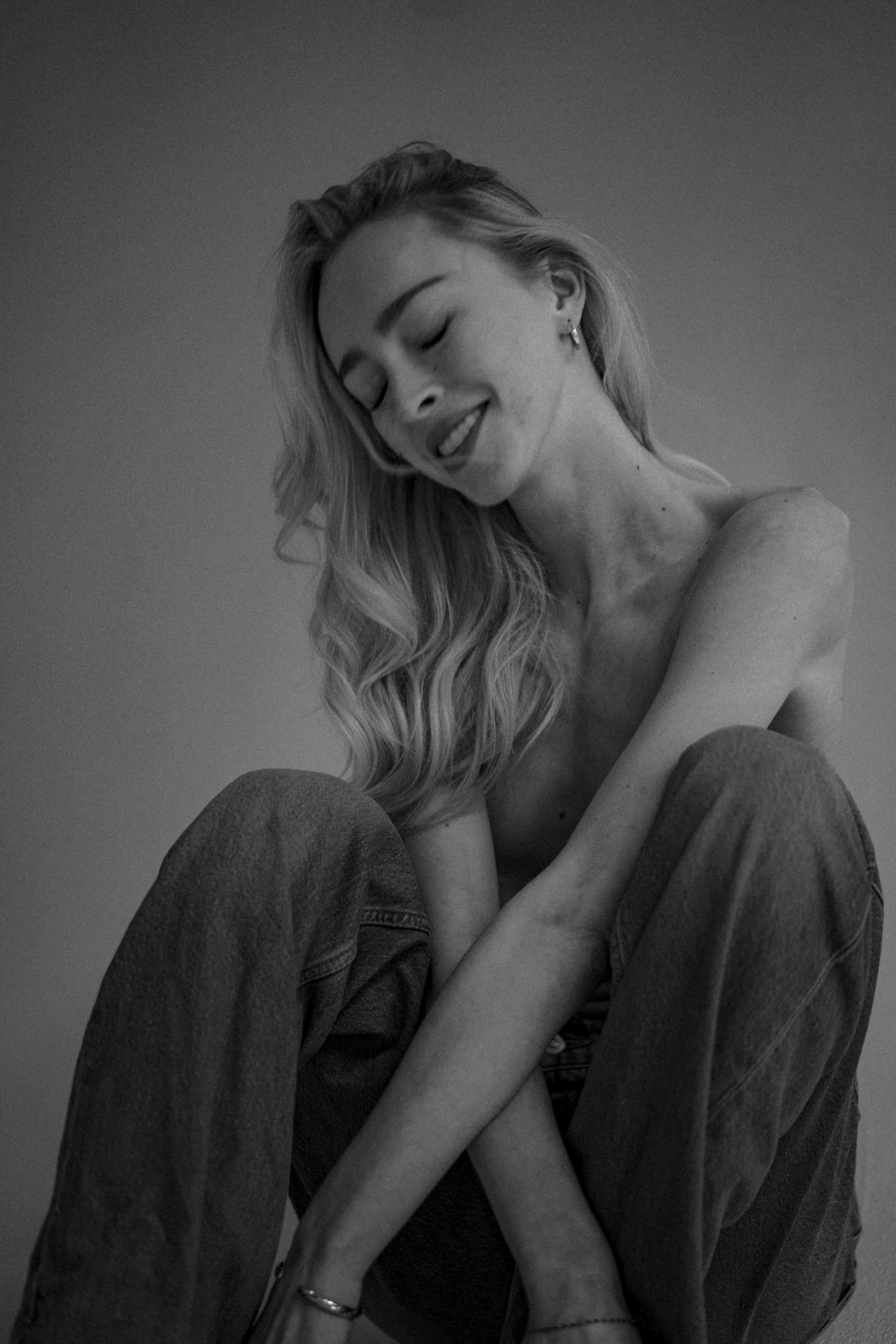
I notice this not just in theory, but in the most mundane way in everyday life. While scrolling. While quickly glancing at things. My feed is full of images and clips where I increasingly can't tell if they're based on a genuine moment or on a very well-calculated probability of one. That's no small matter. Because when I no longer know what I'm actually seeing, it's not just my view of the image that changes. It's also my view of the person in it—and the person behind it.
And that's probably where it really got interesting for me. Because AI doesn't just change images. It changes relationships. You can now follow accounts whose characters don't exist, and yet something emerges that comes remarkably close to a real relationship. You like what this person has to say. You find them beautiful. You find them likeable. You feel like you know them. But they don't actually exist. At least not in the way we previously understood someone when we spoke of a person.
It would be too simplistic to merely dismiss it. To say: It's artificial, therefore it's worthless. That's not how it works. The effect is there. The desire is there. The intimacy, the projection, the bond – all of that can arise, even if the character consists only of data sets, calculations, and highly trained probabilities. Precisely for this reason, it's not enough to simply frown morally. One has to look more closely. Because where something is artificial but appears real, that's where the actual shift begins.
I'm familiar with this development not only from my role as a photographer, but also from my professional experience. In fashion, marketing, and on platforms that are now more tech companies than mere retailers, processes are changing at a speed that would have been considered excessive just two years ago. Visual worlds can now be produced with increasing independence from crew, travel planning, budgets, model availability, weather, logistics, and timeframes. A brand no longer needs to travel the world with a collection to create different images for different markets. Europe, Asia, America, regional tastes, different target groups, different retailers, different moods and looks – all of this can now be addressed much more flexibly, cheaply, and quickly.
The economic logic behind it is crystal clear. And it's powerful. Perhaps more so than many in the creative industry are willing to admit. It's attractive for brands. Even more so for platforms. For anyone who wants to scale, needs variations, has to react quickly, and is under resource or cost pressure, this development isn't just interesting. It's almost inevitable.
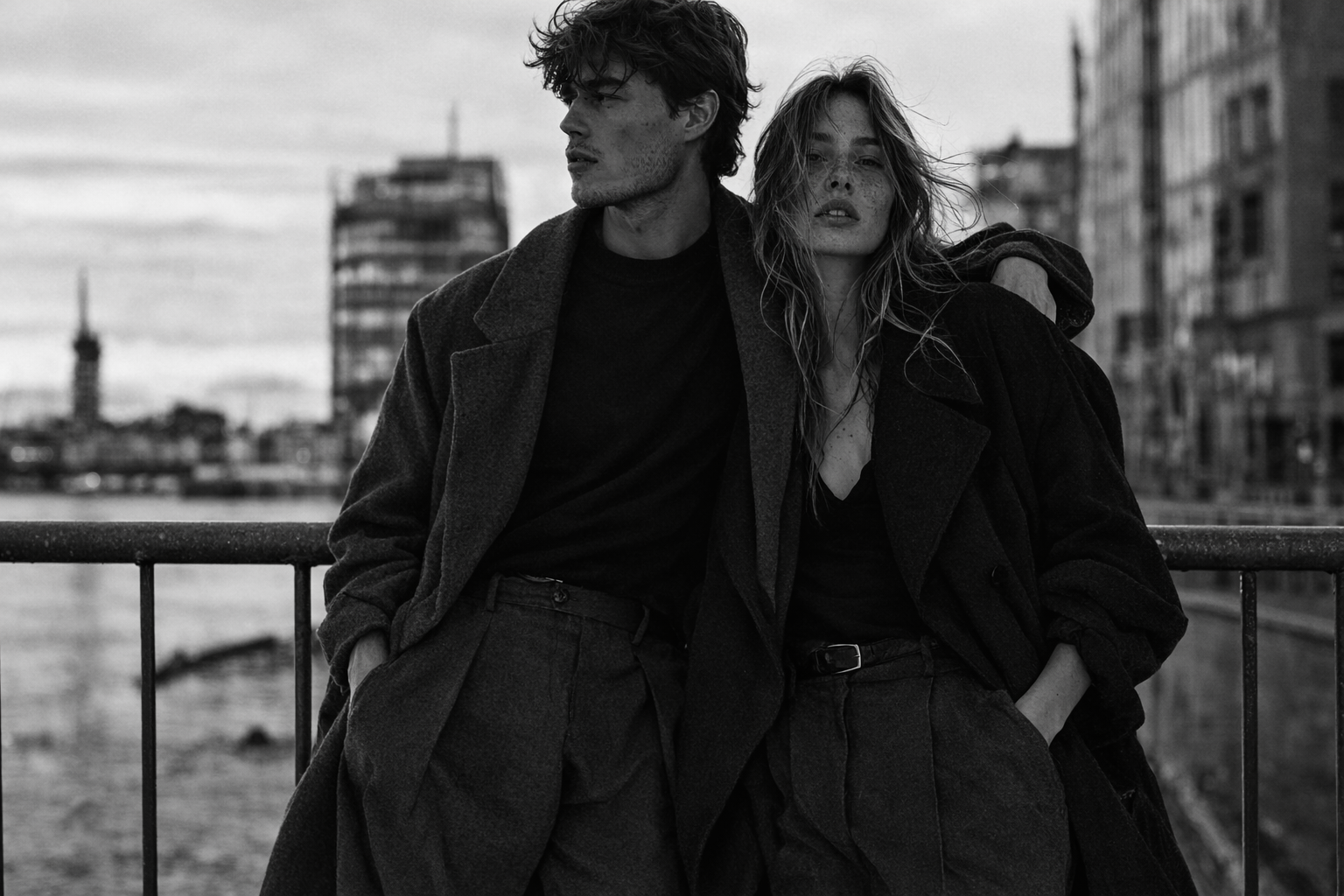
And therein lies the harshness of this upheaval. Because what becomes more efficient in one area disappears elsewhere. Models who were booked in the past. Photographers who not only took pictures but also provided guidance. People who contributed their ideas to the selection of faces, locations, lighting, and visual language. Stylists, producers, small teams, large teams. It's no longer simply a question of whether an image is artificial or not. It's about what real work, real encounters, and real craftsmanship are lost from the process as a result.
The question, therefore, is not only what AI does with images. But also which kind of work it devalues first – and which suddenly reveals all the more clearly why its value has never lay solely in the result.
Perhaps this upheaval isn't just affecting large campaigns or international productions. Or perhaps it's hitting a certain type of photographer particularly hard: the one who, for years, has defined themselves primarily through output. Through frequency. Through a constant stream of new faces. Through access to modeling agencies. Through shoots that are technically strong, but at the same time so reproducible that therein lies their vulnerability.
A new face, the same concept. A different body, the same choreography. A different look, the same form of beauty, the same gesture, the same calculated effect. This isn't necessarily bad photography. On the contrary. Often it's clean, professional, aesthetically compelling. But precisely this kind of controlled, planned, and easily consumable output is closer to machine logic today than many might like to admit.
Because if images primarily function by being beautiful, smooth, desirable, and instantly legible, then precisely this value comes under pressure. Not because such photographers suddenly lose their ability, but because what was previously scarce in their work is no longer scarce in the same way. A beautiful surface alone is no longer sufficient when it can be synthetically generated at any time.
Right now, it's becoming increasingly clear which photography remains relevant even when its sheer output advantage is removed. That is, when it no longer matters who produces the most, but who possesses a unique perspective. Who creates something with people that doesn't appear merely staged. Who delivers not just variations of the same idea, but images that truly have their own origin.
And this doesn't just apply to photographers. It also applies to models who don't want to walk the runway, but instead apply for photo shoots. For editorials, campaigns, social media content, test shoots, lookbooks, portfolios. For precisely those visual worlds that often revolve around charisma, versatility, and a certain kind of presence.
For these models, visibility has always been a contested field. But now they are no longer just competing with other applicants or with the taste of an agency, a brand, or a photographer. They are increasingly competing with a visual world in which faces, bodies, skin, expressions, and entire personalities can be seemingly endlessly created, adapted, and optimized.
This is one of the toughest aspects of this development: the area where many young models previously gained access no longer necessarily requires their physical presence. Availability no longer needs to be checked. No one has to travel. No one has to warm up in front of the camera. No one brings fatigue, uncertainty, bad days, weather, time pressure, or genuine friction. Everything that people previously brought with them quickly becomes a hindrance from an efficiency standpoint.
And therein lies the danger: that models will be reduced even more to mere surface features, to function, to interchangeability, to the ability to look good within a specific visual concept.
But perhaps something is shifting here as well. Perhaps in the future, more will count for models than just photogenic qualities. More than symmetry, flawlessness, or adaptability. Perhaps what will gain in value is precisely what cannot be so easily replicated: a unique presence, a real story, a face in which something has lived, an expression that is not merely pleasing, but truly individual.
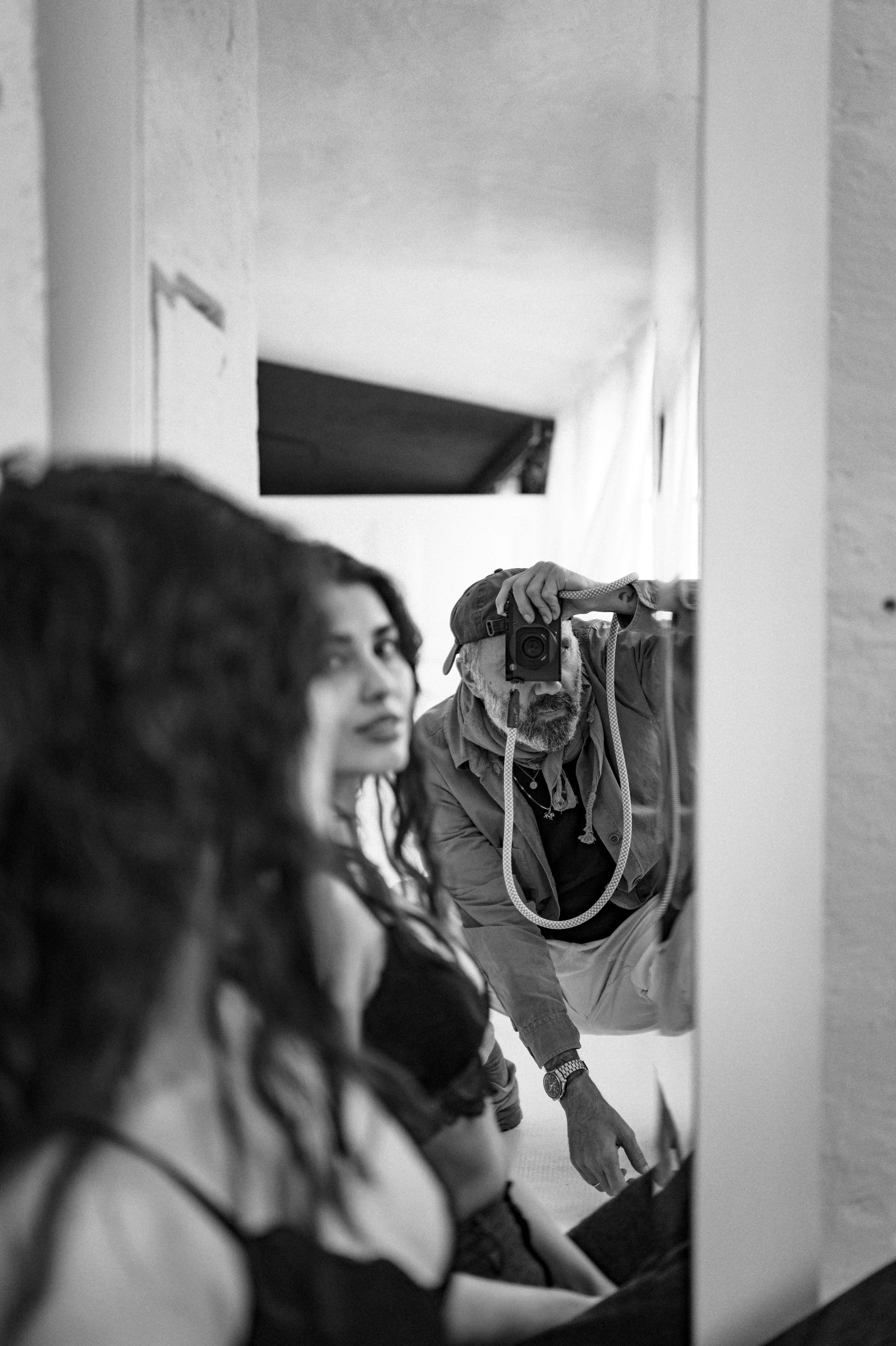
Up to this point, it probably sounds like a text I wrote myself.
And quite honestly: that's the intention.
Don't worry – everything you read here is based on my thoughts, my notes, my observations, my contradictions. The questions are mine. And the thoughts. The doubts, too.
Exactly; at this point, I'll be completely transparent: I didn't write this text alone. I programmed it into an AI. Not because I couldn't think of anything to say. On the contrary. Simply because it seemed logical to me, given the topic, not only to describe this very boundary but to make it visible through the text itself.
Perhaps this is even the more honest approach. It would be convenient to pretend to be completely uninvolved in this issue. But that's all long gone. The machine is already at the table. The more interesting question, therefore, is no longer whether it's involved, but what that means for intention, authorship, and trust.
Because that's precisely what it should be about: no longer just the result, but the origin. Who made it? Why? With what? Based on what experience? With what effort? At what risk? With what intention? The question of quality is no longer sufficient. It was convenient for a long time. One could focus on light, composition, technique, execution. But what happens when technical perfection becomes available at any time in endless quantity and endless variation?
Then it won't just become cheaper. It will rapidly lose value.
That's the thought that bothers me most. When something is available in unlimited quantities, when it can be produced on demand at any time, when every target group, every aesthetic, every body shape, every skin tone, every light, every set, every pose, every mood can be manufactured within seconds – then it's not just the price that collapses. The magic collapses too. Visual perfection then becomes a commodity like tap water. Always there. Always clean. Always available. And precisely for that reason, eventually, it ceases to be special.
That's the bad news, and perhaps also the good news.
Because when perfection costs nothing, value begins elsewhere. Suddenly, it becomes more important why a picture exists. Who created it. What happened before. What someone saw, experienced, risked, felt, or meant. Then it's no longer enough for a picture to look good. Then it must again point to something that lies beyond its surface.
A picture is not just what you see. It is also the trace of what was necessary for it to come into being in the first place.
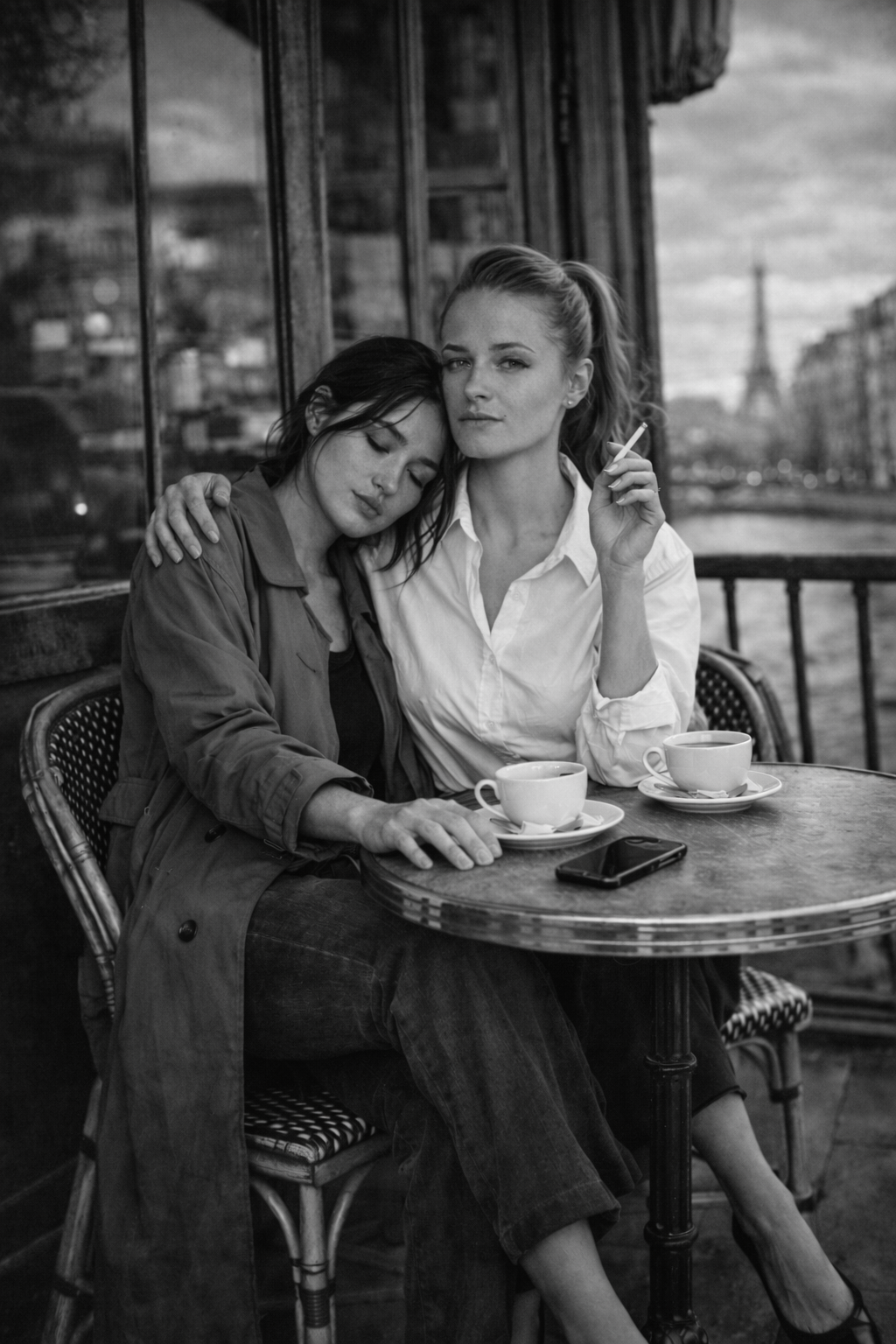
It's quite likely that this will be the real difference in the future. No longer the perfect look. No longer the flawless surface. No longer the technical brilliance, because that will eventually become standard. The difference will lie where an image has an origin. A lived life behind it. An experience. A friction. An intention that can't simply be rushed.
AI can generate output. That's undeniable. It can deliver forms, styles, compositions, impressions, perfection. It can even create something that resembles intimacy. What it lacks is presence. No real counterpart. No hesitation before triggering the shutter. No waiting. No uncertainty. No time spent together. No silence between sentences. No feeling in the room that suddenly shifts and from which an image emerges that couldn't have been planned.
And I believe that's precisely why photography in the future will depend not less, but more on people. Not on people merely operating a tool. But on people as individuals who have a meaning. Who are striving for something. Who don't just want a beautiful picture, but have a reason for it.
I've recently seen this in places where it's almost painful. On International Women's Day, for example. AI-generated female characters, run by accounts that don't even necessarily belong to women, post about the situation of women in the world. Perfectly lit. Perfectly worded. Perfectly relatable. And yet, something about it just doesn't feel right. Not because the sentences are grammatically incorrect. Not because the imagery looks cheap. But because experience can't simply be created vicariously. There are things you not only have to be able to talk about convincingly, you also have to have a genuine connection to them.
The same applies, in a far more serious way, to images of war, documentary images, images of suffering, flight, and destruction. As soon as an image loses its connection to an actual event, more than just an aesthetic category is called into question. Then witnessing begins to crumble. Then the question of what we are allowed to believe arises. Then the political power of the image itself.
And yet, my point isn't to condemn AI outright. That would be cheap. And frankly, too convenient. Of course, AI will be part of photography. It already is. Of course, it will improve processes, reduce costs, bring forth new tools, create new forms, and push some boundaries. And of course, it can also be used meaningfully, perhaps even poetically. Perhaps even radically well.
But it doesn't absolve us from the question of meaning. On the contrary, it forces us to confront it more forcefully.
For my own photography, this doesn't mean I want to retreat into some romantic corner where everything analog automatically stands for the real thing and everything new for loss. It's not that simple. But I realize that something else interests me more than ever: images that don't just aim to please. Images in which a person doesn't merely look good, but becomes palpably human. Images that don't just claim a story, but carry something of it. Images whose full depth you might not immediately grasp, but which have arisen from a genuine encounter.
Perhaps this will be the new luxury. Not perfection, but provenance. Not smoothness, but meaning. Not endless variation, but a choice and selective sharing. Not the image that can do everything, but the image that stands for something.
Perhaps the future of photography doesn't ultimately belong to those who can render or prompt best. Perhaps it belongs even more to those whose work is unmistakably human. Not in the sense of being flawless or morally superior, but in the sense of: lived life, seen with one's own eyes, a deliberate decision, real friction, real intimacy, real time.
The machine can do a great deal. Perhaps soon almost everything.
But it wasn't there.
It didn't wait.
It took no risks.
It remembered nothing.
It lost nothing.
And that's exactly where the picture still begins for me.