

Method Notes No. 12: 5 rules that define my photography, or - a collection of principles
There are many rules in photography. Technical rules. Design rules. Rules about light, focal lengths, poses, composition. Strategy, and so on.
But when I photograph people, other things have become more important to me. Of course, technology plays a role. But a good picture of a person isn't created solely through technology.
It arises from an inner attitude. From attention. From responsibility. And from the ability to see with one's eyes, but also to perceive what is happening.
These are five rules that define my photography.
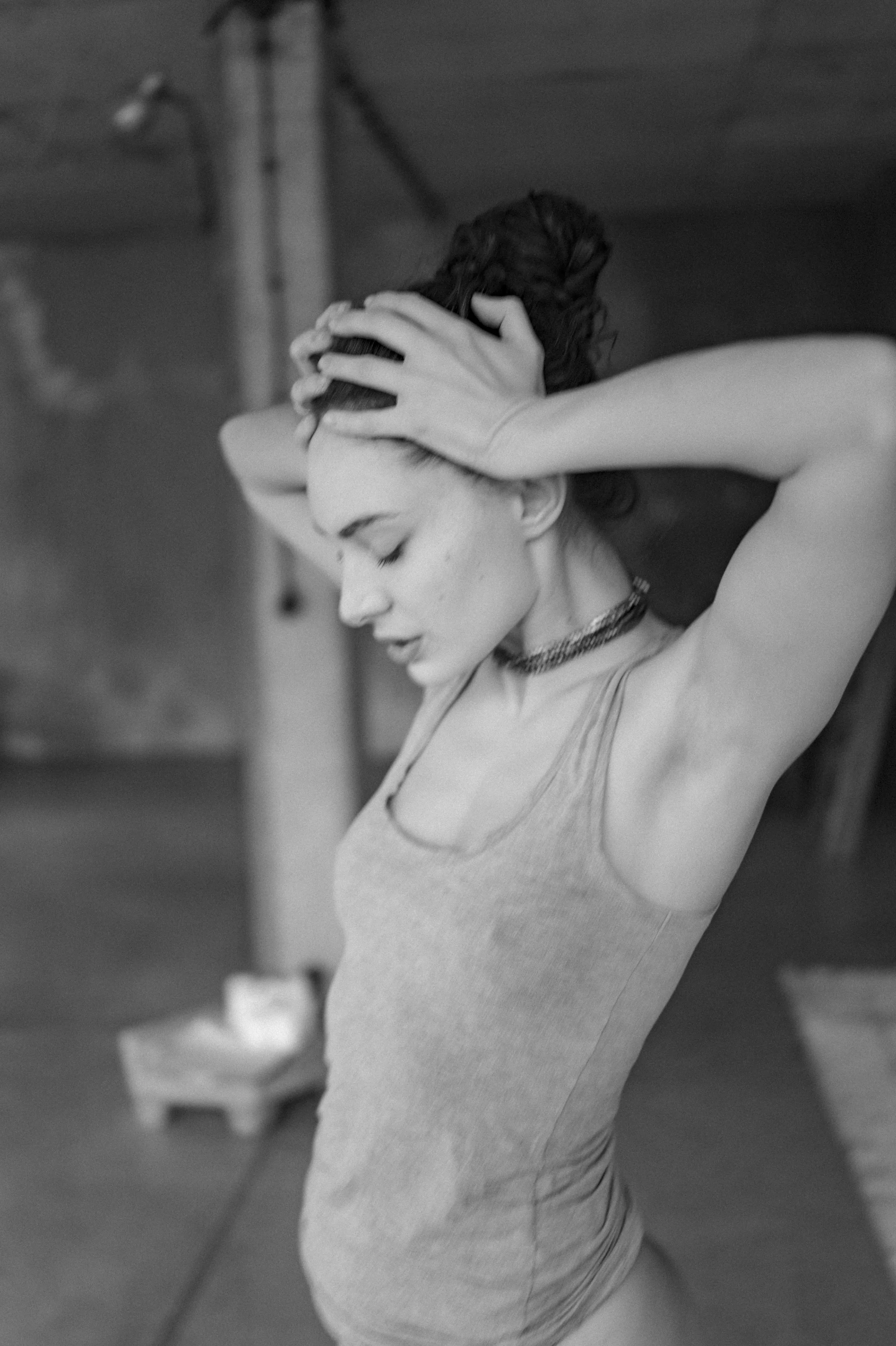
Victoria - Warsaw
1. Look through your camera from two perspectives
When I look through the viewfinder, I naturally see the person in front of my camera. Their face. Their posture and movements. Their energy. The moment.
But at the same time, I also try to see myself from the other direction.
How do I come across in this moment? How does my camera feel to the person I'm photographing? How does my gaze feel? What does the person standing in front of me perceive? Am I calm? Am I present? Am I moving too fast? Am I truly there?
Photography is not a one-way street. It is not a garden hose with which you spray your photographic idea onto a person.
A portrait is a dialogue. Sometimes verbal, often very strongly nonverbal. It's not about who takes the lead. It's about understanding that there are always two people involved in this image.
Even if only one of them is holding the camera.
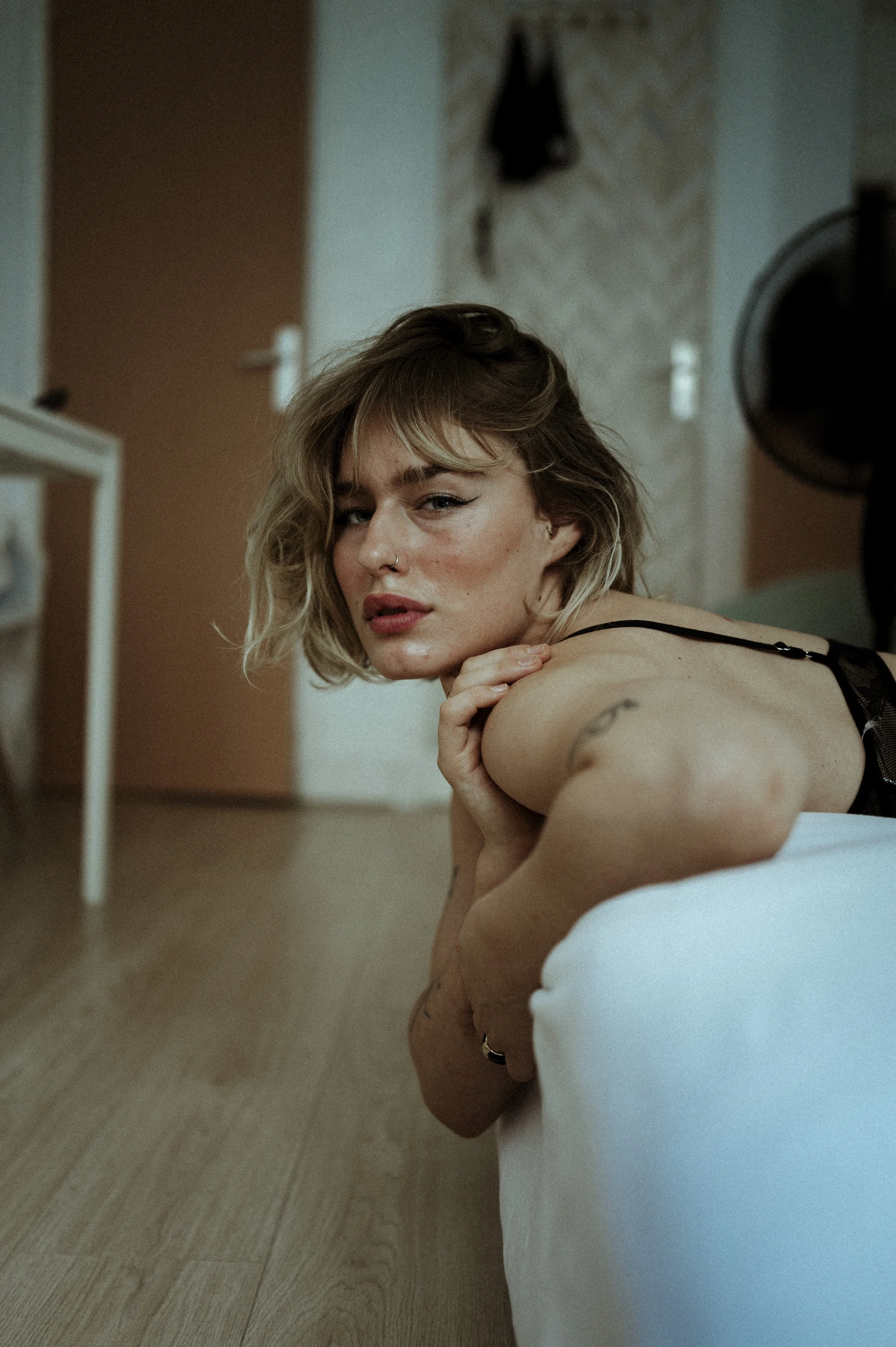
Lana - Paris
2. Have a plan, but don't stick to it
A photoshoot needs an idea. A starting point. Perhaps a mood board, a story, a feeling, a direction.
But a mood board is not yet a concept. And a concept is not yet a picture.
There are so many things that affect a photoshoot: the mood of the person in front of the camera, the atmosphere in the room, the weather, the light, noise, tiredness, nervousness, one's own well-being.
You can't just "go through with" a photoshoot.
For me, a good shoot often begins with an honest assessment: This is what we planned. This is how it feels right now. What do we make of it?
Often, the better picture doesn't emerge from following a plan, but from recognizing when the moment tells a different story.
3. Be a safe space, not a circus ringmaster
People in front of a camera don't need a ringmaster. They don't need someone who chases them through instructions until some pre-planned pose is perfect.
They need a space where something can be created.
This doesn't mean that everything always has to feel comfortable. On the contrary. A safe space isn't there to prevent anyone from leaving their comfort zone. It's there to give someone the courage to leave it.
To laugh. To become still. To feel sensual. Vulnerable. Strong. Challenging. Uncertain. Loud. Quiet. Or simply to be present.
When people trust me, that's a privilege. And that trust isn't a tool you use. It's something you protect.
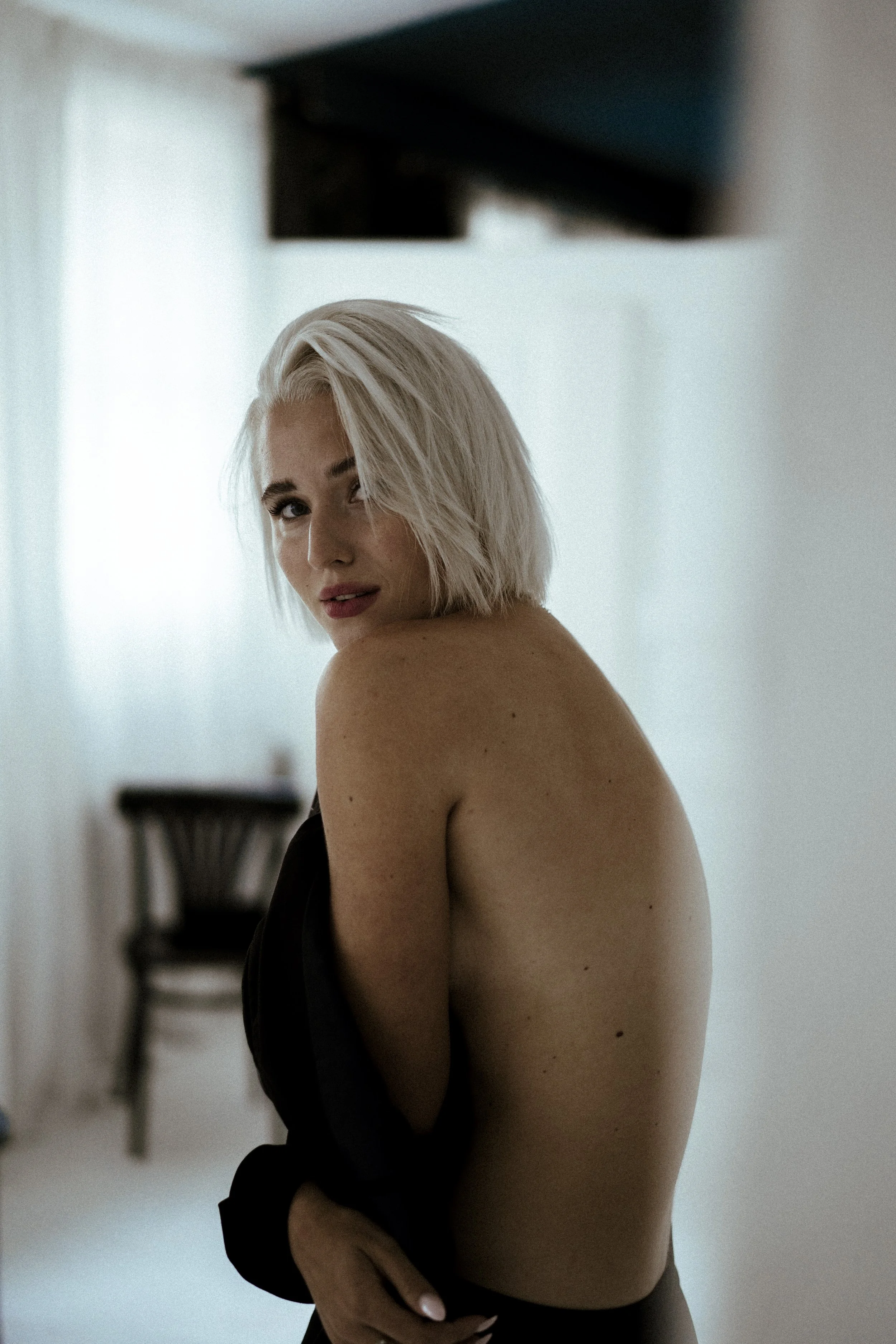
Maike - Frankfurt
4. Everything is your responsibility
If you take a photograph, you are responsible (period).
For the concept. For the communication. For the location. For the atmosphere. For the preparation. For ensuring that someone can arrive. For ensuring that there is enough time. For ensuring that it is clear what it's all about.
Also for the results.
Of course, there are things that can't be planned. Light changes. Moods change. People change in the moment. Places behave differently than expected.
But in the end, you can't just blame it on the model, the room, the weather, or the day.
You decide whether you make something of the situation. You decide whether you continue, pause, or give up.
If it turns out well, great. If it doesn't, it's still your responsibility.
5. Live a life that inspires images
Don't pretend to be something you're not.
Images arise from a feeling, a way of life. Only then do they become authentic. Only when you live what you portray do your images acquire a true fingerprint. One that only you possess.
I don't believe in rushing from workshop to workshop, from place to place, from motif to motif, hoping that meaning will automatically emerge from that.
Don't photograph a life you're not living.
Live a life that inspires images.
Life doesn't have to be spectacular. It doesn't have to consist of grand journeys, dramatic stories, or staged moments. Life is also frustration. Boredom. Memories. Dialogue. Doubt. Intimacy. Lack of direction. Longing. Routine. Courage. Tiredness. Curiosity.
In a time when so much is staged, optimized, and asserted, you can feel the difference.
A compelling picture isn't created by someone pretending to have a compelling life.
It arises when someone is truly a part of what is happening around them. And that shows it has to do with how they live.