

Fragments of Light No. 11: 36 images – what we lost when we could gain everything
I remember my first cameras.
I was maybe fifteen or sixteen, and I had to beg my parents to lend me their camera when I traveled through Europe with a backpack and by train. Later, with my own money, I bought my first cameras – used, scratched, but they were mine. When I saw, I would walk around it, searching for angles, waiting for the light. There was a kind of positive tension, or even excitement, within me. Now I'm immortalizing something. Immortalizing…
When I started photographing climbers and mountaineers—on the rock face or on the 4,000-meter peaks of the Alps—I came back with bags full of film rolls. Five, ten, sometimes fifteen. They had weight. But a weight that couldn't be measured. A weight of meaning.
Every picture was deliberate, each one a small or large decision made in that moment.
Recently, I pulled some old slide boxes from my archive. I put them in the projector and clicked through them, one by one. And I remembered each and every one—the place, the light, the feeling. I still remembered what I talked about with the mountaineers or the people I met along the way, often using gestures because we didn't have a common language.
And now?
Now I'm leafing through my digital archives and getting lost in the sheer volume. I see pictures, and fewer and fewer stories.
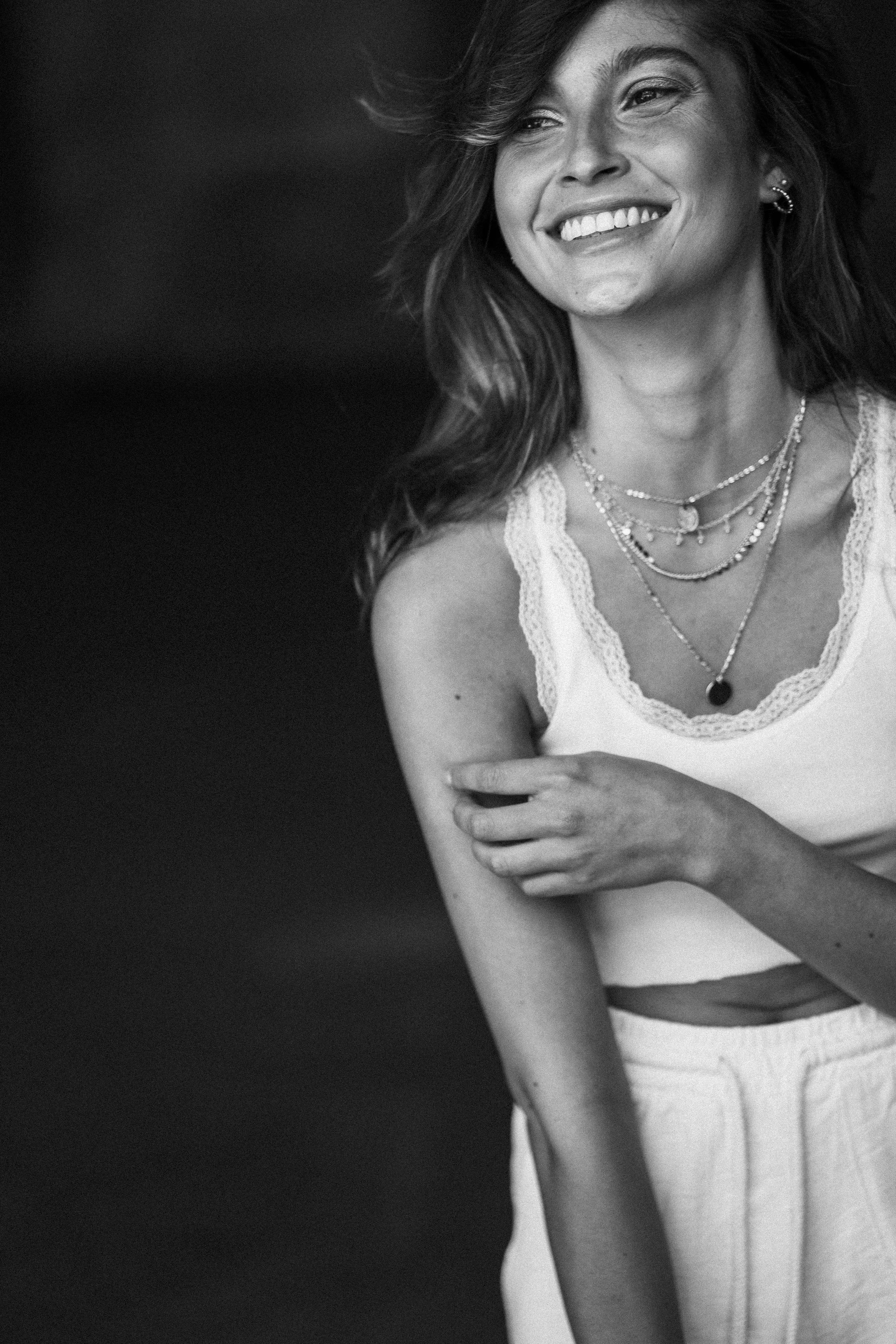
Perrine, 2020
Intention – conscious seeing
In the past, when I discovered a spot for a photograph, I liked to stay there even after the light had faded, even if it meant sleeping in my sleeping bag overnight because there was no accommodation nearby. A place special enough to photograph, or the people in it, was worth lingering in. I waited for the light, the weather, movement—sometimes for the moment itself.
This slowness created a connection.
Today, many images are created in a rush: you meet someone in a place, set up, shoot, done. Quick as a flash.
Produced instead of experienced.
But seeing takes time. And mindfulness. In my opinion, there's also a difference between someone wanting to capture a subject or a moment.
Presence – being there
After a long break, I got back into photography in 2007/08 – this time in an age of digital possibilities. Everything was faster, smoother, more technical. I met photographers who shot several times a week, some even daily.
Producing, not creating. Covering ground instead of seeking depth.
I remember how disconcerting it was to see this speed – this increased output that felt like less,. You were constantly busy, but rarely moved. And if you were, it was only until the next shoot.
Anticipation – waiting has value
In the past, waiting was part of the job. There was time between taking the picture and seeing the result.
This gap wasn't empty; it was filled—with memory, anticipation, perhaps even a certain amount of uncertainty. You carried the images in your mind, played them through, imagined how they would turn out. Whether you actually got what you were hoping for.
When the prints or slides finally arrived, that was a moment. You held them in your hand, smelled the chemicals, saw the colors—and remembered the feeling you had when you took the picture.
Today we see the image the second we take it. We check, delete, correct. We experience the result before we've truly felt the moment.
Waiting taught us to remember. Now we forget in the same breath we take the picture.
Imperfection – the language of authenticity
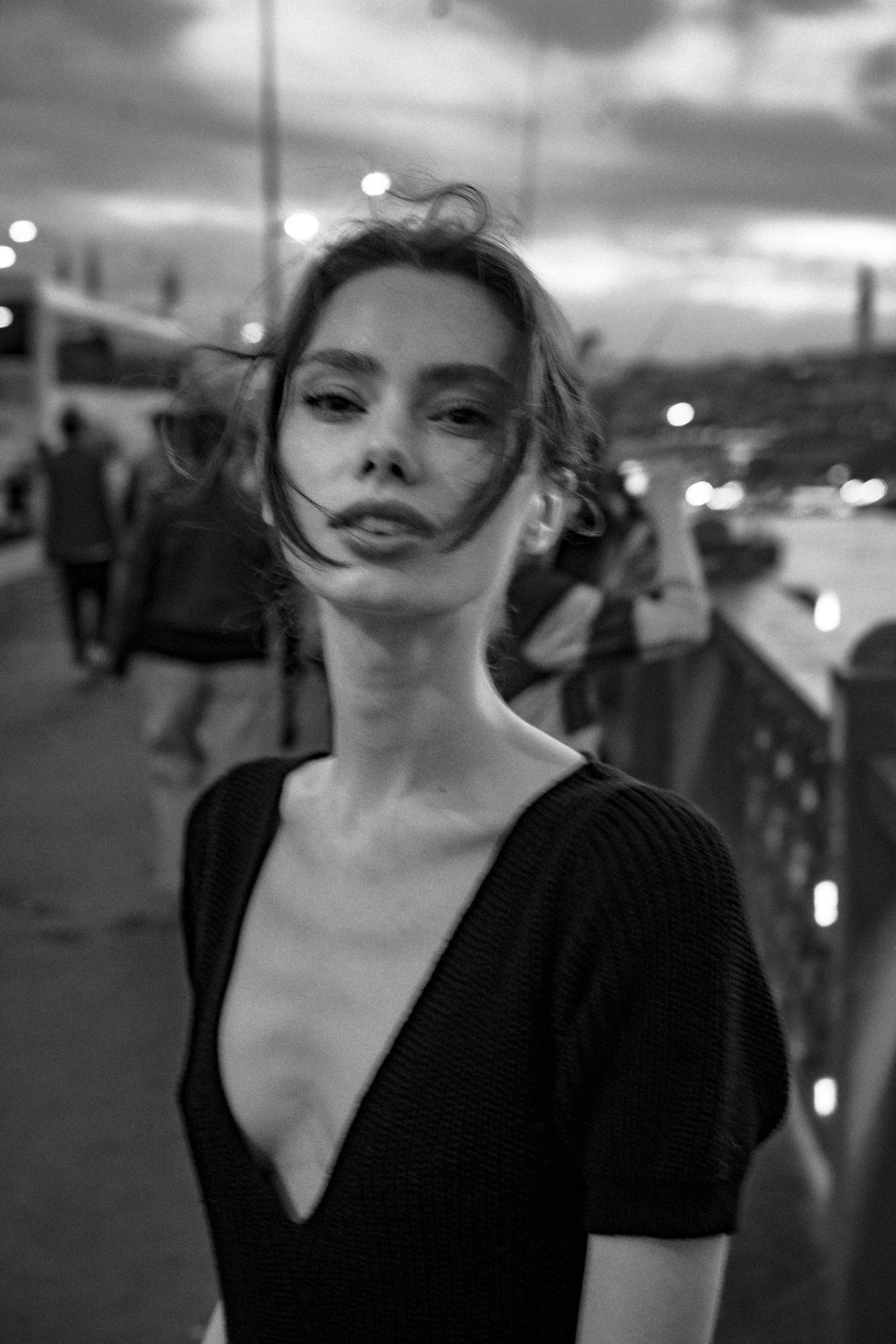
It took years before my style of photography—the imperfections, the blurriness, the occasional skewedness—was no longer seen as a flaw, but as a signature.
Back then, grain wasn't a defect, it was character.
A slight camera shake, an underexposed shot—those were traces of the moment, not mistakes.
Today, every image is smoothed, noise-reduced, perfected. But perfection also erases much from memory. Because memory is never flawless.
Mindfulness – the ritual
It's not about whether you shoot film or digitally.
It's about awareness.
Loading a roll of film used to be a ritual. Today, it can also be the conscious moment when you pick up the camera and wait, talk, converse, look around, and immerse yourself in the moment.
Every form of photography can teach mindfulness if you understand it as a process—not a pursuit of results.
The camera is a tool, but also a teacher.
It compels us to see.
I believe we've lost nothing we can't get back.
It doesn't require a vintage lens, nostalgia. Just the willingness to restore meaning to what is significant.
Photograph as if you only have 36 shots.
Not because you have to – but because you want each one to count.
Because in the end, it's not about pictures.
It's about memories.
And about how much of you remains in them.