

Method Notes No. 7: Kairos – or about waiting until something happens
When is actually the right moment to pull the trigger?
The question of all questions. A touch too early – and what was meant to emerge isn't there yet. A fraction too late – and it's already gone.
In my conversations, I often hear that the supposed antidote to missing the moment is constant shooting. Hundreds of shots from which one later tries to extract "the moment," like a memory that needs to be reconstructed or looked up.
That's one way, too. But perhaps it's more important to first understand the difference between time and point in time
The Greeks distinguished between two forms of time: Chronos and Kairos. Chronos is linear time, which we can measure – seconds, hours, years. It describes the passage of time, not its meaning.
Kairos, on the other hand, is the moment that breaks free from this line. A moment in which something changes because it gains weight – becomes significant.
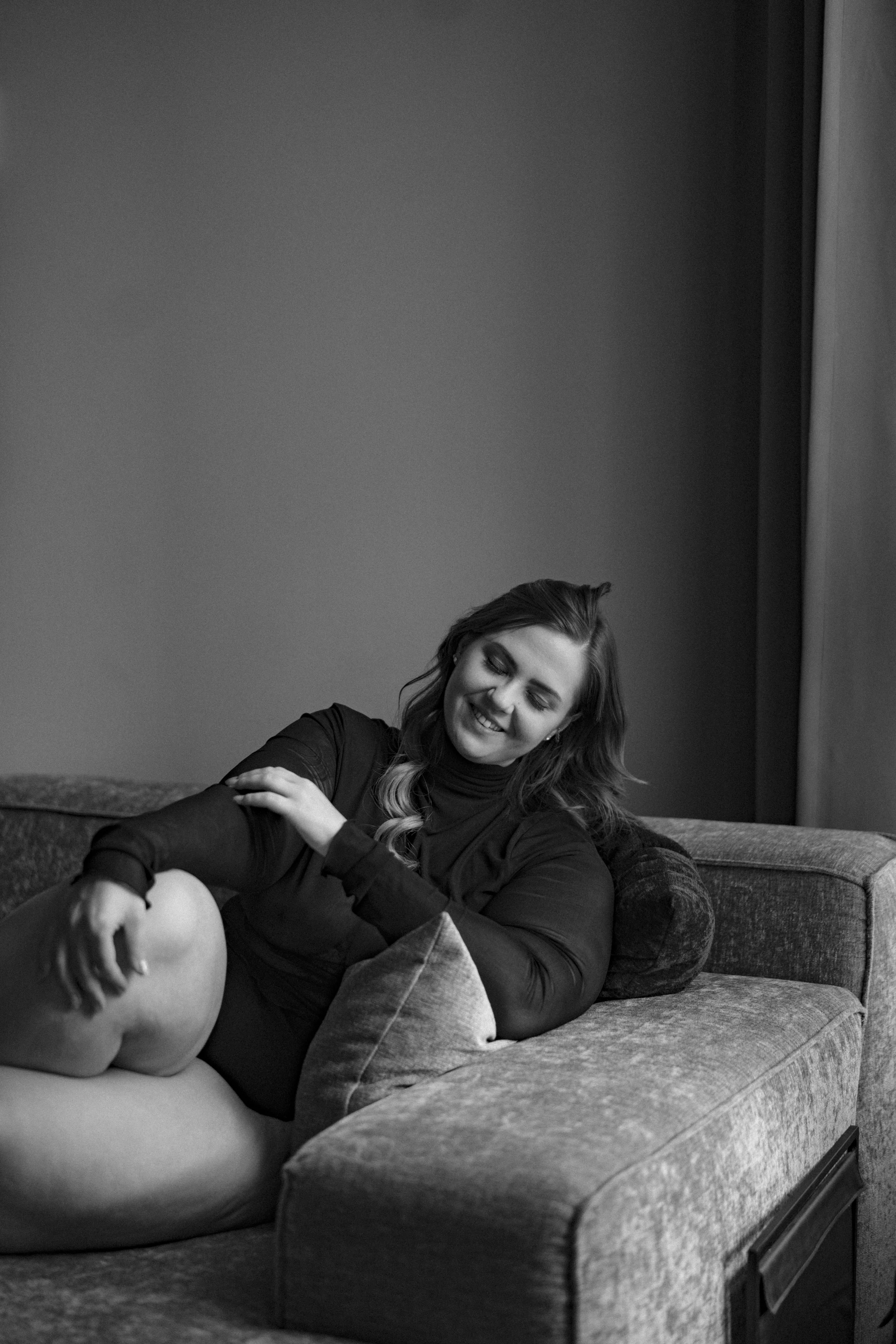
For those who see only time , the flow of events is seen as a mere succession. Those who recognize the moment see the pause. They see ahead. Or rather: they see it coming.
It – that is the moment when something changes – in a face, in a gesture, in the atmosphere of a room. Perhaps it's a glance that shifts. A breath that changes. A moment when you feel something begin to vibrate; or soon cease to do so. That something is there, about to disappear.
I remember a moment recently, during a lecture. I was talking about my photography, reading passages from my writings. At a point where I was referring to "the last thing, see you later," suddenly—out of nowhere—I became emotional. In an instant, my hand instinctively grabbed hold of the lectern. I felt my voice slip from my grasp for a moment. An unexpected, uncontrolled collision of thoughts and feelings. A kairos moment—not in the image, but within my own body.
As I tried to get back into the lecture, I asked myself: When was the last time I noticed what was happening inside me while listening to another person? When did I even become aware of it?
We usually overlook these moments. Because they aren't allowed to arise – not amidst instructions, small talk, and routine. Because we're busy keeping the flow, maintaining order, and feigning ease. Yet it is precisely there, in that delicate threshold between control and letting go, that the kairos lies: the moment when something reveals itself that wasn't planned. That couldn't be planned.
Perhaps what we call intuition in photography is precisely this ability to sense Kairos.
For it does not reveal itself if one simply waits for it. It appears when seeing is no longer obscured by thinking.

I often observe how many photographers try too hard to explain or sell their work – to prove that they take photographs.
Then the conversation turns to technique, focus, lighting setups – rarely to what's actually happening. And at some point, the encounter becomes a routine: "Smile." Or even worse: "You can cry if you like." It's these broadly distributed instructions that obscure what's real and only create roles. "Now be really emotional." How, which emotions, why? If something is to emerge, it's here – in this room, in this moment, between us. Everything else is an act.
Of course, emotions can be staged, recreated, and synthesized. It's simply a matter of preference. Do I want a handmade piece, custom-made and born from an individual idea, or a mass-produced item? Do I want the homemade cake, the one-of-a-kind piece, the trip no one has ever experienced before – or the package holiday?
I believe one can learn to wait for the moment when something opens up. This isn't a technical moment, but an inner one. A second of understanding between two people, between camera and subject. When you then press the shutter, it's less a conscious decision than an intuitive reflex – a "yes" to the moment.
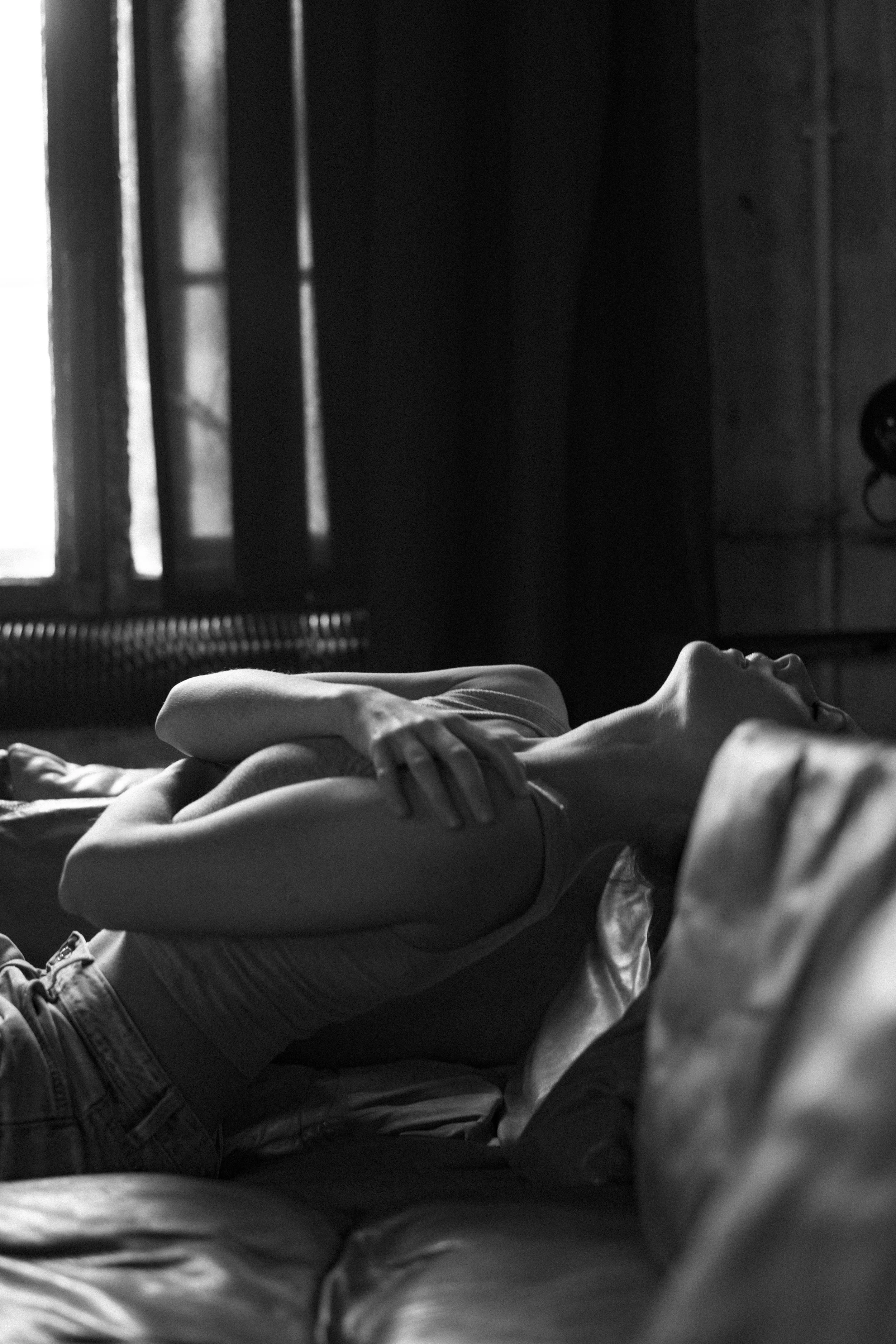
Often, what we capture in a photograph isn't what we were consciously looking for, but rather what presented itself in that moment – unplanned, genuine, and unvarnished. Sometimes, the essential element emerges precisely when we stop expecting it. You simply have to take the plunge.
Perhaps therein lies the true essence of photography – that it teaches us to be open until something happens. Not because we force it, but because we are ready to accept it, even if we were actually waiting for something else. Sometimes a glance, a small movement, an intuition is all it takes.
And then you know: Now.
Because it's perfect just the way it is.